Jumat, 05 Juni 2015

Akita and domestication

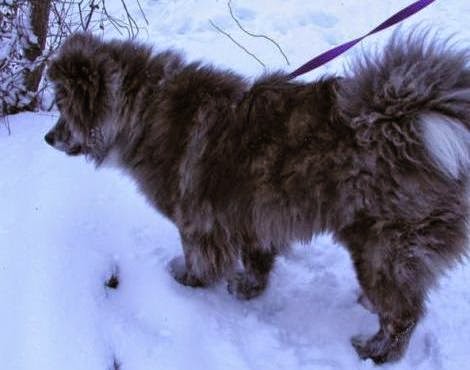
The Akita is a breed of domestic dog of medium size, first cultivated in Japan in the 1600s The Akita comes from Akita Prefecture in northeastern Japan, hence its name. The exact reason for its initial creation is not even agree or not they were originally bred as hunting or fighting dogs. Despite this, many prefer the theory that this great breed was bred to help local people with hunting deer and wild boar and possibly to protect large carnivores such as wolves and bears, with struggles popular before people began to lose interest in sports happiness. Today, they used mainly to help their owners in hunting and are also a popular alien race in Western homes.


Physical characteristics of Akita

Like a number of other breeds of Japanese work, the Akita a double layer of plush, to hold consisting of an average length and a bottom layer of hot soft top layer. This double skin can vary in color and is actually also waterproof and prevents the development of hypothermia Akita. The Akita has a strong, muscular body that is longer than high. They have a heavy triangular head, with dark eyes, triangular who deeply set in the dog's face. The thick strong legs of Akita, allow it to move with vigorous precision particularly when hunting, and easy webbed feet make this dog an excellent swimmer. The most distinctive features of the Akita are folded his small pointed ears and tail upturned, almost sitting on the dog.


Akita behavior and temperament

Due to the fact that the Akita is historically grown so much as hunting and dog fighting, they are naturally aggressive and very dominant animals. You akitas changed little since it was first produced, with people in the houses still strong hunting instinct today. Therefore, they are not for novice owners what they need firm and consistent training with lots of positive reinforcement. The Akita is also known to react badly to harsh treatment. Are very intelligent and loyal dogs though, and are loving, devoted and gentle toward his master and family. The Akita is also known for being a good watchdog because it is suspicious of a person or an animal that does not know.


Akita

Like many other domestic animal breeds, the Akita can today in a variety of colors and softer than you can find the ancestors temperament. They are bred as working dogs and hunting in his native Japan, the support of his master at capturing food, as well as an increasingly popular surveillance in the West option, but still. There are some health problems, however, are particularly associated with this race, including problems of hyperthyroidism, hip and knee, which are all common ailments larger dogs. They usually live between 9-15 years and women may have between three and twelve pups per litter everywhere.

Akita Interesting Facts and Features

In the 1930s, the Akita was due to the growing popularity of so weird alien races in Japan that only the very rich could afford to appear. They were told to preserve the 'national treasures of Japan in an attempt to indigenous breeds in the country and an Akita in a home they are said to symbolize good health, happiness and prosperity. Because of its long, thick fur, Akitas strongly scales twice a year, for about two weeks at a time, which means that they brush daily to avoid tangles of their skins. Perhaps because of its natural hunting, domestic dogs are known to enjoy the objects in their mouths.
Facts Akita

Name: Akita
Origin: Japan
Group: Dog
Average size (L): 71 cm (28 inches)
Average Weight: 50 kg (110 lbs)
Average life: 10 years
Average litter size 7
Type: Work
Color: Brown, White, Black, Gray
Temperament: intelligent, brave and fearless
Formation: Medium - Hard
Special features: pointed ears and tail curved upwards

Kamis, 04 Juni 2015

Akbash history and domestication

The Akbash is a large breed of domestic dog white, comes from the plains and mountains of western Turkey. The Akbash is a guard dog and was originally bred by shepherds to 3,000 years to a white dog that could save his flock of sheep. Although the exact reasons for this choice are not known particularly in color, it is generally believed that a white guard dog tried to make sure not to be confused with a hungry predator, like a wolf. The Akbash is an ancient breed of dog and although it probably would have resulted from similar race in Italy and Hungary, is exactly genealogy is not well known. These other continental guard dogs is believed, however, was brought to Europe from parts of Asia.

Physical characteristics Akbash

The Akbash is a large and powerful dog that is built perfectly guarded by a life of sheep in the mountains race. Has a short to cover the average length, white with occasional patches of light brown. The shield of the Akbash is thick, to prevent the mat when exposed to the elements of the Alps, and the double layer also allows being waterproof, protecting the Akbash from getting too cold. The Akbash has a large head and powerful jaws, with a strong body, a short neck and large, curved fingers. The tail of the Akbash is very pronounced in the race, because it is not only long and curved, but is covered well in a long, feathery fur. The Akbash has padded feet and almond-shaped eyes that vary from dark brown gold.

The behavior and temperament Akbash

The Akbash was originally bred by shepherds with their flocks of large predatory mountain, so they are naturally dominant and aggressive race. This is one of the most primitive dogs guardians between domestic breeds of today and therefore require a firm and experienced owner. They are, however, children, intelligent and game, who risk their lives to protect animals and people under his protection. The Akbash is a very loyal breed, all about and devoted to their owners and often considered foreigners who are not in the presence of their owners, as a suspect. The instinct Akbash is very independent and strong protection, known to respond quickly and without assistance in an emergency, if it considers that the herd is threatened.


Akbash breed

The Akbash breed appeared about 3,000 years ago, for the first time when he was bred to be a strong and protective guard dog, which was white in color. Although the race itself has changed little since the early days, they are found in homes today less dominant and aggressive as the original guardians. However, they are still bred to protect livestock, especially on ranches in South America, which are used to protect animals of large carnivores such as coyotes and even bears. Since its introduction in the US in the 1970s, the race has become a popular guard dog, and although hip problems as other larger breeds are concerned, there are thought to be so severely affected. The Akbash tends born 7-9 puppies per litter, which are fully mobile within the first six weeks to give,

Akbash Interesting Facts and Features

The Akbash is known to be a quiet, clean breed of domestic dog, and lives happily both inside and outside the home. His skin has little odor when compared with other races. It is also known to have strong maternal instincts, and cleaning their newborn calves were observed in sheep support. In his native Turkey, Akbash "white head" was named after the Turkish word Akbas, meaning. The Akbash breed became popular as a domestic cat, 40 dogs were imported into the United States from Turkey in the 1970s This Akbash individuals are the ancestors of all the people there today aims.

Facts Akbash

Name: Akbash
Origin: Turkey
Group: Dog
Average height (H): 86cm (34in)
Average Weight: 63 kg (140 lbs)
Average life: 11 years
Average litter size: 8
Type: Protection
Color: white, brown
Temperament: Calm, independent, courageous and protective
Coaching: Fixed
Special features: large head and jaws powerful

Rabu, 03 Juni 2015

Airedale Terrier history and domestication

Unlike a number of other types of dog house, the origins of Airedale Terriers are well known. This race was created 150 years ago by the working class, the peasants in a valley in the West Riding of Yorkshire. From a Welsh Terrier and crossed Otterhound, the Airedale Terrier quickly became the Terrier of choice and was officially recognized in 1886, the Airedale Terrier is the largest of all terrier breeds and was originally bred as hunters of small animals, especially rats. Although the size of Airedale Terrier really meant not go underground, they were very efficient capture of rats as they had appeared. The Airedale Terrier has many desirable features, including smart sense that they used as messengers and police dogs.

Airedale Terrier physical characteristics

The Airedale Terrier has a large space, the only body is stressed that very straight front legs and a wide chest deep. It's a long head and muzzle are broad and flat time, and has small pointed ears that fold almost always down. The stiffness of the tail, slightly curved Airedale Terrier is docked in the rule and tends most often in color is black. Most of the robust body of this breed is tan (including Is ears), with black markings and sometimes reddish. Its double layer is waterproof with a thick and thin layer is lined with soft, warm skin (property Otterhound). The Airedale Terrier has a very keen sense of smell due to its combination of Hound and Terrier.


Airedale Terrier behavior and temperament

The Airedale Terrier is known to be a loyal and very intelligent breed of domestic dog. They are known to be independent and strong-willed, and is often a close relationship with his master and his family to form. The Airedale Terrier is a very sociable dog and did not appreciate that leave no human society for a long time. They have been known very destructive if bored. Airedale Terriers are incredibly active and should be able to get a lot of practice, even if this is something that appears to decrease with age a little. Like other Terriers should Airedale Terrier are trained from an early age, because sometimes they can be very stubborn, but is known to be able to live in homes together in peace with other animals and children when they are properly trained.


Airedale Terrier Breed

The Airedale Terrier was first bred in the 1800s by a Welsh Terrier and an Otterhound to a career that had desirable properties found in both races occur. Due to the fact that she was bred as a hunting dog from the beginning, the Airedale Terrier is by nature a very intelligent and loyal breed. Woman gives birth to average litter size 7-10 pups, like many other canines are both born blind and hairless and relatively will need at least a few weeks before the world is able to first. Airedale Terriers have regularly maintained in order to reduce the risk of severe moves and prevent skin infections.

Airedale Terrier Interesting Facts and Features

The Airedale Terrier is named after the River Aire which have been authorized by the valleys surrounding this first race held in Yorkshire stem runs. The area was said to be so this ratters begin a more serious problem with rats than usual, the higher the Terrier of choice with the locals. The Airedale Terrier usually live about 13 years to be old, but is known to have been affected by genetic defects, including problems with their hips and eyes.


Facts Airedale Terrier

Name: Airedale Terrier
Residence: Great Britain
Group: Dog
Average height (H): 58cm (23in)
Average Weight: 20 kg (44 lbs)
Average life: 12 years
Average litter size: 8
Type: Terrier
Color: Black, Light Brown, Brown
Temperament: Friendly, adaptable and courageous
Education: easy
Special Features: long snout and the square body

Selasa, 02 Juni 2015

History and domestication of the dog Ainu

Ainu dog is probably one of the oldest breeds in the world that are grown first by the indigenous Ainu of Hokkaido to hunt salmon, deer and bears. Although the hunter-gatherers who survived in ice conditions, the Ainu are believed to have maintained since the dogs principle and respected in much the same way as other people. The Ainu Dog is probably descended from medium-sized dogs that arrived on the island with immigrants from the mainland before 3000 years. Today, despite its strong links with the Ainu, it is generally regarded as the Hokkaido-Ken designated by the indigenous people of Japan. Although it is thought that the characteristics of dog Ainu have changed little over the years by crossing, this breed is to have a wild streak.

Ainu Dog Physical Characteristics

The Ainu Dog is a medium-sized dogs, known for their strength and power, is known. In general, the jacket is used in thick skin to keep warm, bright colored dog with white, gray and yellow is particularly common. They are known to have a terrifying expression that. Because of their small dark brown eyes, broad head and a pointed snout, which bowed with a black nose dog ears Ainu tip is small and makes this race seems more alert. The language of the Ainu dog is usually black dots, which is said to suggest a relationship with the Chow Chow, a smaller species of domestic dog, found natively in neighboring China, covered.

Behavior and temperament of the dog Ainu

Ainu dog breed is a wild and natural powerful dog, so this breed an excellent watchdog, is also suspicious and vigilant and incredibly brave, if necessary to protect its owner. The Ainu dog is known for his loyalty, courage and the ability to withstand other cold properties, known desirable below. He has an innate sense of direction and therefore can make new champion, no matter how great the distance traveled alone. Ainu dog also knows what a howling sound like a wolf if you think that has done well for his parade. They are incredibly active dogs and has been known that it is not suitable for apartment living or homes that other animals or small children are included.

Ainu Dog Race

The Ainu Dog was originally bred by local hunters and gatherers, to help the two to get the food, but also in order to protect large animals. Since then, the race has changed slightly from these original dogs due to the intersection with similar breeds of domestic animals throughout the Far East. Despite its long history as a working breed, the dog Ainu now ideally combines the role of the family pet and hunter. Ainu Dogs today are used more frequently for hunting or as guard dogs kept because of their notification and incredibly bold type. On average, the female of about 7 pups per litter, which, like many other canines are born blind and almost skinless. Within its first month, however, the Ainu puppy dog ​​will stand and begins to grow rapidly. Ainu dog can live to be 14 years old and is known to have relatively few genetic health problems.

Ainu Dog Interesting Facts and Features

The Ainu Dog is a household name through them for themselves the courage nature, actually acquire great bear, a number of times its size in order to protect their owners. Today, although it can be found in homes in parts of Europe and America, the Ainu dog is more common in Japan, where it is determined, an adorable national race are for the Japanese people. The dog was officially the Hokkaido Ainu-Ken in 1937, despite its rich history with the Ainu.


Data Ainu Dog

Name: Dog Ainu
Origin: Japan
Group: Dog
Average height (H): 50 cm (20 inches)
Average Weight: 30 kg (65 pounds)
Average life: 12 years
Average litter size 7
Type: Work
Color: gray, tan, brown, white
Temperament: Fearless, determined and loyal
Coaching: Fixed
Special features: pointed ears and tail up

Senin, 01 Juni 2015

African wild dog classification and evolution

The African wild dog (also known as painted dog and cape hunting dog known) is a species of medium-sized dogs found in sub-Saharan Africa. The African wild dog is more easily the internal market and other wild dogs identified by its bright spotted coat, means meeting with his name painted wolf in Latin. The African wild dog is said to be joyful of all canines live in herds of about 30 people. Unfortunately, this is seriously threatened animal has been hunted largely for its natural environment, mainly due to habitat loss and people, but very intelligent and sociable.

African Wild Dog Anatomy and appearance

The most striking feature is the African wild dog is beautiful, easy to identify these dogs spotted coat. The coat of the African wild dog is red, black, white, brown and yellow with random patterns of colors is unique to each individual. It is also believed to act as a kind of camouflage, with the support of the African wild dog merge into its surroundings. The African wild dog has big ears, a long snout and long legs, four toes on each foot. This is one of the biggest differences between the African wild dog and other canine species, as have five. They also have great stomach and large intestine long, which helps them in the most effective absorption of moisture from the food.


Distribution and habitat African wild dog

African wild dogs are naturally wandering in deserts and arid savannah plains of sub-Saharan Africa, where the African wild dog range has declined rapidly. It is believed that the African wild dog is found once in about 40 different African countries, but this figure is much lower at 10 to 25 now, most of the African wild dog population is mainly limited to national parks in the south Africa, with the highest population in Botswana and Zimbabwe found. African wild dogs require large areas to support the package, with pack sizes actually fell in series with the decline in chain stores.

African wild dog behavior and lifestyle

African wild dogs are very social animals gather in packs usually between 10-30 people. There is a strict hierarchy within the pack, led by the dominant breeding pair. They are sociable dogs and make everyone, as a group, to help finding and sharing food, sick members and support in raising the young. African wild dogs communicate through touch, movement and sound. Pack members are incredibly close, gather before hunting in the nose and licking each other while wagging his tail and make loud noises. African wild dogs live a style of life crepuscular means they are most active at dusk.

Dog breeding and African wild life cycles

African wild dog packs in there's usually only one breeding pair, which are the dominant male and female. After a gestation period of about 70 days, the birth of the African wild dog female are between 2 and 20 cubs in a den that even with their young during the first few weeks to provide other members of the pack, with food. African Wild Dog guys out of the cave age 2 to 3 months and are fed and cared for the whole package until they are old enough to be independent and usually rely register or log Africa a wild dog pack . It is believed that serves more of the puppy, the best chance of survival.

African Wild Dog Diet and prey

The African wild dog is a carnivore and opportunistic predator, hunting of larger animals on the African plains on their large groups. African wild dogs that hunt mainly on large mammals such as wild boar and numerous antelope species, to supplement their diet with rodents, lizards, birds and insects. It is also known that are much larger than those vulnerable to disease or injury, herbivores like wildebeest hunt. Although the dam African Wild Dog is often much faster per mile can give to hunt, and this dog's resistance and resilience that makes them so successful, with its capacity to maintain its speed. Hunting as a pack also means that the African wild dog can easily cornered prey.

African wild dogs predators and threats

Because of the relatively large and dominant character of the African wild dog and his herd, they have few natural predators in their homeland. Lions and hyenas have been known on occasion to African wild dog in individuals who have been separated from the rest of the booty group. One of the greatest threats to the African wild dog are farmers who hunt and kill the African wild dog in fear that they will be in their hunt for cattle. A dramatic decline in their natural habitats has also pushed the African wild dog population remains small pockets of their regions of origin, and are now more commonly found in national parks.

African wild dog Interesting Facts and Features

The colon along the African wild dog means they have a very efficient system to absorb as much moisture as possible from the diet. This gives them an advantage in canines such dry climates, as they have to find as a regular water supply. Therefore, African wild dogs are able to go a long time without drinking. Unlike many other predators, wild dogs kill their prey by biting into it if he is still alive. Although this cruel sound, really fastest animal and the least painful death if he killed generally preferred.

African wild dog relationship with people

The African wild dog populations have declined dramatically in the countries of southern Africa, mainly due to the loss of much of its natural habitat and the fact that they are often hunted by farmers in particular. The somewhat wild nature of the African wild dog has largely of superstition brought against them, wiped with the locals, with almost entire populations in certain areas. The loss of their historical ranges usually due to rising settlements has led to drastic population declines in many parts of the environment. Although most African wild dog population is now limited to national parks, they tend to require much larger areas and conflict with people when they leave these shrines.

Conservation African Wild Dog Status and Life Today

Today, the African wild dog appears as an endangered species as the numbers of African wild dog populations have declined dramatically, especially in recent years. It is believed that fewer than 5,000 people stopped roaming sub-Saharan Africa still declining numbers. Hunting, habitat loss and the fact that they are particularly vulnerable to the spread of livestock diseases, the main cause of the loss of the African continent are wild dog.

Facts African Wild Dog

Kingdom: Animalia
Phylum: Chordata
Class: Mammalia
Order: Carnivora
Family: Canidae
Genre: Lycaon
Scientific name: Lycaon pictus
Common name: African Wild Dog
Name (s): dog, painted dog, painted wolf
Group: Mammal
Number of species: 1
Location: Sub-Saharan Africa
Habitat: Open plains and savannahs
Color: gray, black, white, brown, beige, gold, red
Skin Type: Skin
Size (L): 75 cm - 110 cm (29In - 43in)
Weight: 17 kg - 36 kg (€ 39 - £ 79)
Top speed: 72kph (45 mph)
Diet: Carnivore
Prey: antelope, wild boar, Rodents
Predators: lions, hyenas, humans
Lifestyle: Twilight
Group behavior: Pack
Life expectancy: 10 - 13 years
Age of sexual maturity 12-18 Months
The gestation period: 70 days
Average litter size: 8
Young names: Pup
Weaning age: 3 Months
Conservation status: Vulnerable
Estimated population size: less than 5000
Most important hazards: habitat loss
Most remarkable feature: four toes on each foot instead of five
Fun fact: Also known as the Painted Dog!

Minggu, 31 Mei 2015

Toad African tree classification and evolution

The African tree frog is a small species of frog in the forests of central Africa. Today, little is still known about these tiny amphibians and dwindling population of African tree frog known to be increasingly difficult for us to learn more about them. There are two known subspecies of the African tree frog, Xenopus tree and Bates' Tree Toad. Both African species toad tree are similar in size and color, but are usually in geographic regions where different.

African Tree Toad Anatomy and appearance

The African tree frog is light brown usually dark with white patches on the belly and it's like other species of frog, toad african especially for feet that help is semi-aquatic and Climbing tree life. African tree frog is a terrestrial animal, and used to help bounce off the toes of the floor 's too. The toe of the African toad tree are long and thin, with sticky discs, rounded at the tip. This triggered widespread digit grab this toad in a larger area. The body stripes small African toad tree grows 3.8cm in length make these more difficult to recognize in the rubble on the floor of the forest animals.


African Tree Toad Distribution and habitat

African tree frog is said to be distributed in its natural range in Central African countries such as Cameroon, Democratic Republic of Congo, Equatorial Guinea, Gabon and Nigeria. Despite this, there are very few records of these elusive amphibians meaning that much of it is in the distribution (and in fact, the size of the population) it is simply assumed. The natural habitat of the African tree frog is moist lowland forests subtropical or tropical and heavily degraded former forest, where there is an abundant supply of water. Today, however, the African tree toad is generally limited largest forests.

African tree toad behavior and lifestyle

Like other frogs, African Tree Toad is a semi-aquatic animal, although more commonly found in water, where the females lay their eggs. In a similar way to other tropical frogs, African tree frog spends much of life walking, jumping or running on the ground, where they can be found in a position of having enough food and water. However, when it gets dark the African tree frog stops in the surrounding vegetation on the night of the ground-dwelling predators to stay safe. The color and pattern of your skin, gives the African tree toad camouflage with the surrounding forest, and again no additional defense against hungry predators.


African Tree Frog reproduction and life cycles

Little is really about African toad tree reproduction in addition to the fact that female African tree frogs have been known to find 200 sticky eggs in small bodies of water in cavities of hollow trees known collections. These spawning grounds are then guarded by the male African toad tree until the eggs hatch tiny tadpoles. It is not known what the tadpoles feed, but once developed, from its watery nest in the tree jump and start searching for food in the forest. African tree frogs in captivity usually live three or four years, but about his life in the wild is not known.

African Tree Toad Diet and prey

African tree frog is an amphibian carnivore we long sticky tongue to catch his mouth with his speed and his incredible effort to ensure dam. This also helps the frog to keep catching them, while trying to eat. African tree frog hunt mainly small invertebrates like insects, worms and spiders to sink under the rubble in the forest floor. In a manner similar to other species of toads, it is believed that the African tree frog sits quietly, waiting for lunch to pass, before taking to the speed of light.


African Tree Frog Predators and threats

Due to its small size of African tree toad is probably many predators in their warm and humid environment, forest. Fish, birds, lizards, snakes, rodents and other amphibians, bigger, such as frogs and toads are all thought to be common African toad tree predators. The greatest threat to Africa adopted tree toad is habitat loss such as deforestation and to a lesser extent, both air pollution and water in their natural habitats. However, little is known about the direct effects of habitat loss for the species as a whole.

African Tree Frog Interesting Facts and Features

Very little is known about the tree of the African toad, as only a handful of records are everywhere, it is very limited range, and is not, in fact, there is evidence that confirms the existence through much of what he called natural habitat. It simply assumes that African tree frog is available in these areas.


African Tree Frog relationship with people

Although it has been studied by people on a small scale, it is still relatively little is known about these tiny toad. However, they have been known to be involved in the exotic pet trade. The small size of the African toad tree makes them very difficult to detect in your home means that the impact of human activities on the toads in these areas is still unknown. Deforestation through much of its natural range, along with the growing industry caused increasing levels of pollution, it is believed that the cause of the Tree Frog African population to decline.

Tree Frog African state Conservation and Life Today

Today, the African tree toad rarely seen in African forests, but it has. As a way that is not at risk of extinction in the near future they were classified However, this is based on its wide distribution probably in Central Africa, despite the fact that we only know that really exists in a handful of areas. It is generally believed that populations of African Tree Toad decline.

African Tree Toad Data

Kingdom:
Phylum: Chordata
Class: Amphibians
Order: Anura
Family: Bufonidae
Genre: nectophryne
Scientific name: Afra nectophryne
Type: Amphibians
Diet: Carnivore
Size (L): 2.5 cm - 3.8 cm (1 inch - 1.5in)
Weight: 2 g - 5 g (0.07 oz - .18 oz)
Maximum speed: 8 km / h (5 mph)
Life: 3 - 5 years
Lifestyle: Solitary
Conservation Status: Endangered
Color: Brown, Black, White, Light Brown
Skin type: Translucent
Location: Central Africa
Habitat: tropical lowland forests
Spawn Average size: 100
Prey: insects, worms, snails
Predators: fish, frogs, birds
Special features: small size of the body and webbed feet
The Australian Terrier is lively, watchful, courageous and confident with the natural aggressiveness of the flutist and Hunters coverage, as a companion, kind and caring.
Australians are very smart. They are happiest when with their families, and therefore should not stay out long. Dogs are natural guardians and beat alarm whenever another animal or a person is approaching.

Like other terriers, dog can be aggressive and somewhat imperious, and should, if life be included in a budget of several levels. As a general rule, they make terrier male adult gets along well with other adult males.


Australian Terrier Facts

Name: Australian Terrier
Origin: Australia
Average height: 25 cm (10 inches)
Average Weight: 6 kg (14 lbs)
Average life: 14 years
Group: Terrier
Color: Tan, Gold, Black
Average litter size: 4
Temperament: courageous, energetic and confident
Training: Should be trained from an early age and better meet fun and challenging training methods